
The short answer
A residential team offsite should solve one defined business problem and give people enough time away from normal interruptions to make decisions. Set the outcome first, design a realistic agenda, then choose a venue that supports confidential work, overnight needs, reliable technology, meals and genuine downtime.
Lavender Manor is an exclusive-use country house in County Fermanagh for groups of up to 22 overnight guests. It offers a function room, several lounges and dining areas, three kitchens, gardens and social spaces. Those are useful offsite ingredients, but the organiser still owns the facilitation, programme and any specialist providers.
1. Define the decision the offsite must produce
“Team building” is too broad to design a useful stay. Write one sentence describing what will be different when the group leaves.
- A leadership team agrees its priorities and owners for the next quarter.
- Two departments resolve a working problem and document a new process.
- A project team makes the decisions blocking delivery.
- A small company aligns around its plan and rebuilds working relationships.
Use that outcome to decide who attends, which pre-work is necessary and what evidence or document must exist at the end. If a session does not help produce the outcome, shorten or remove it.
2. Choose the smallest useful group
Residential offsites become harder to facilitate as the group grows. Invite people who hold essential information, make the decisions or own the follow-through. Others can contribute before the stay or receive a clear readout afterwards.
Lavender Manor accommodates up to 22 overnight guests across ten bedrooms. Discuss the mix of doubles, twins and family rooms before sharing the accommodation plan with your team, so everyone knows what room sharing would involve.
3. Decide whether exclusive use is necessary
Exclusive use is valuable when conversations are confidential, the group needs uninterrupted access to shared rooms, or informal time is part of the work. It also reduces the friction of moving between a meeting venue, restaurant and separate accommodation.
At Lavender Manor, the booked group has the house, gardens and main guest spaces privately. Multiple communal rooms allow a plenary session, smaller breakouts and informal conversations without sharing facilities with another group.
“The area is very calm and beautiful for group walks.” — Maurice, Airbnb review, April 2026
A walk and a change of scenery can give your team a welcome break between sessions. You arrange your own facilitator and programme, allowing you to shape the offsite around the work you want to do.
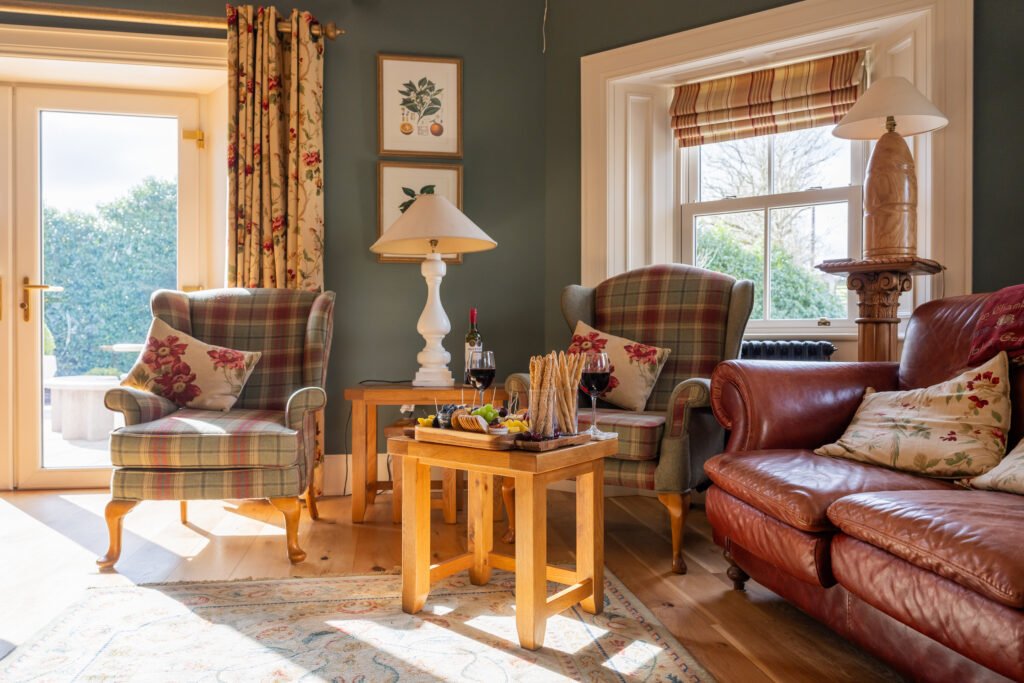
4. Map the work to the rooms
Do not book a venue because one room looks impressive. Sketch the agenda and assign a space to each activity.
- Plenary room: everyone can see and hear the facilitator and shared material.
- Breakout rooms: small groups can talk without competing noise.
- Quiet work: individuals can write or prepare away from the main session.
- Meals: the team can eat without dismantling every working setup.
- Confidential calls: a plan exists if someone must briefly step out.
Lavender Manor’s retreat information lists a function room, lounges, dining spaces and breakout areas. Ask to see the exact layout for your group and confirm what furniture or room changes are practical.
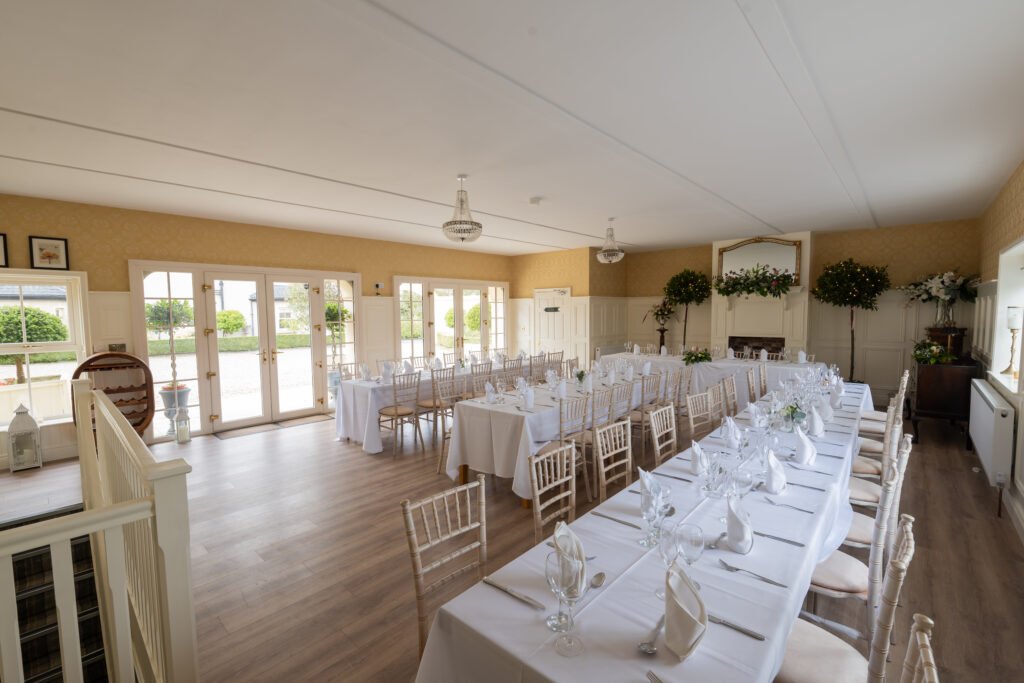
5. Test the technology against the agenda
A general statement that a venue has Wi-Fi is not enough for a business offsite. List the activities that depend on connectivity: video calls, cloud documents, presentations, streaming, large downloads or remote contributors.
The current Lavender Manor retreat page describes a mesh Wi-Fi system, portable PA with wireless microphone and several large screens. Confirm the current equipment, connections, adapters, placement and likely simultaneous use. If one session is mission-critical, bring downloaded copies and a simple offline backup.
- Name the presentation devices and required ports or adapters.
- Test screen sharing and sound before the first session.
- Download essential documents and participant materials.
- Avoid building the whole agenda around an untested remote link.
6. Plan bedrooms and accessibility privately
Ask attendees for essential room, access and dietary requirements through a private channel. Publish only the final information each person needs; do not put health details or personal circumstances into a group document.
Lavender Manor has two downstairs en-suite bedrooms, described on our family gatherings page. Their location alone does not guarantee that the property will suit every access need. Discuss any specific mobility or equipment requirement directly before confirming the venue.
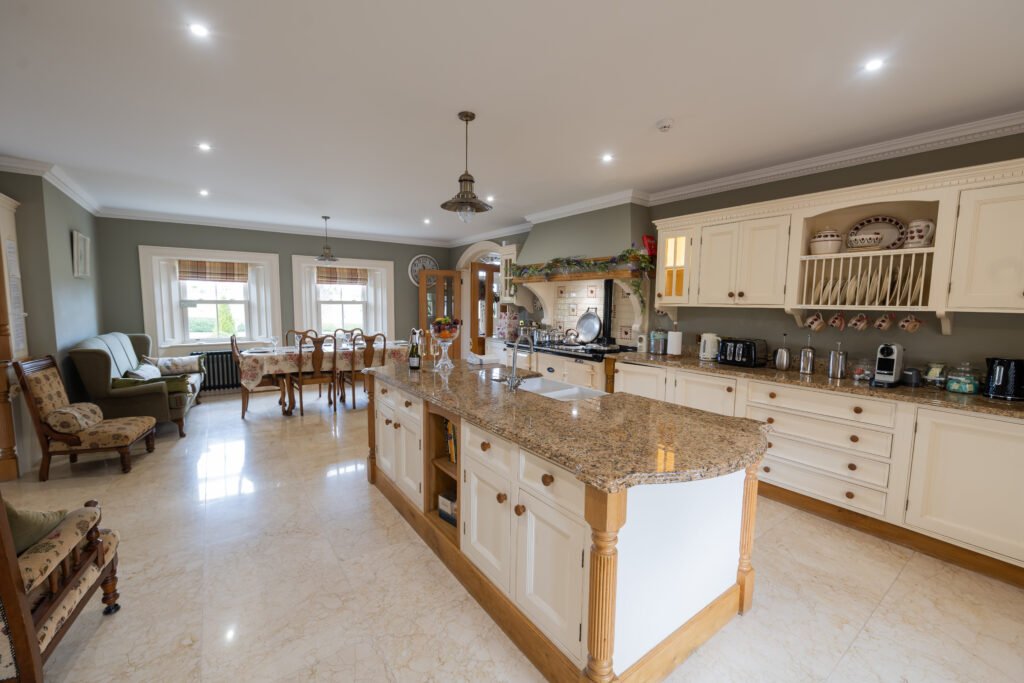
7. Treat food as part of the working design
Long sessions fail when meals are late, overcomplicated or owned by nobody. Decide whether the organiser will self-cater, use an external caterer or combine approaches. Confirm dietary needs, supplier access, serving, clearing and waste.
Lavender Manor provides three kitchens and dining areas, and the venue information says local catering suggestions can be shared. Catering and specialist experiences are arranged directly by the organiser unless the written booking says otherwise.
8. Use a two-night agenda with space to think
Day 1: arrive and frame the problem
Allow time for travel, check-in and room allocation. Use one focused opening session to establish the outcome, evidence and decisions required. Finish with a shared meal and an informal evening rather than a second full workshop.
Day 2: make the important decisions
Put the most demanding work in the morning. Break for lunch and a walk, then use the afternoon for smaller groups, synthesis and decisions. End by naming owners and deadlines while everyone is still present.
Day 3: test the plan and close
Use a shorter final session to challenge assumptions, confirm immediate actions and agree how results will be communicated. Leave adequate time for packing and the agreed departure.
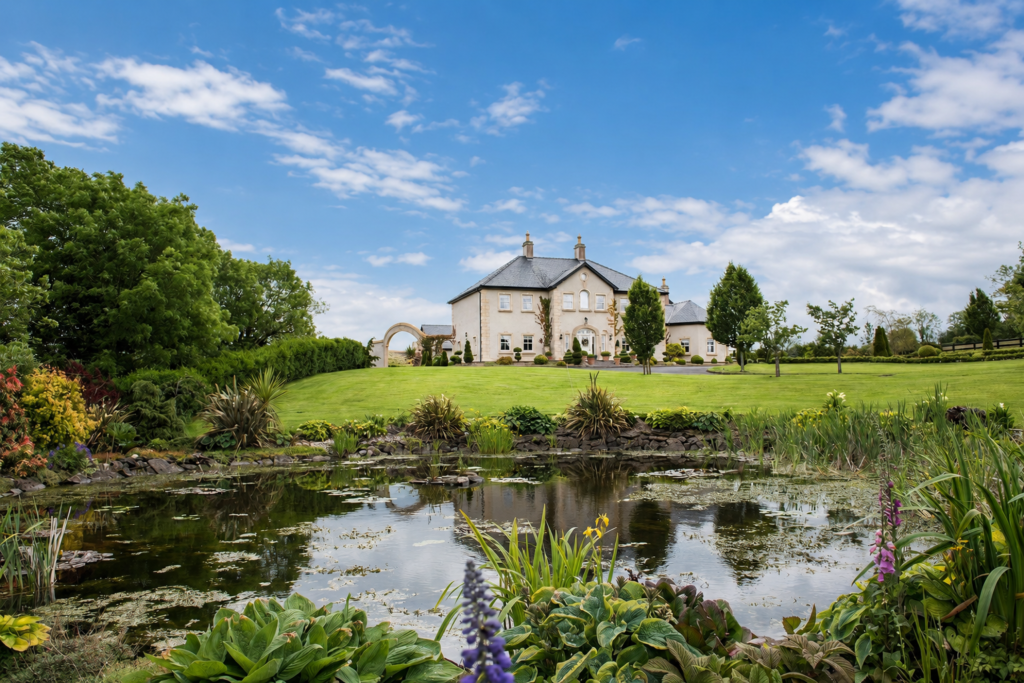
9. Add recovery without inventing a corporate activity
Downtime can be a walk in the grounds, the games room, an informal meal, the hot tub or a pre-booked local experience. It does not need to be branded as team building to be useful.
If you use an external facilitator, wellness practitioner or local activity provider, contract them directly and confirm that the venue and timetable suit their requirements. Lavender Manor provides the setting and accommodation; your chosen professionals deliver the sessions and activities.
10. Design the follow-through before arrival
Decisions made in a country house can disappear once normal work resumes. Choose one person to capture decisions, owners and due dates in a shared format. Book the first follow-up meeting before the offsite and specify what progress will be reviewed.
A useful offsite ends with fewer unresolved issues, not a longer document. Circulate a concise action record and keep personal or sensitive discussions out of a general summary.
Questions to ask a residential offsite venue
Is the property genuinely exclusive to our group?
Yes. Lavender Manor is booked for exclusive use of the house, grounds and guest spaces, rather than shared with another staying group. Agree any supplier visits and practical access arrangements in advance.
What is the current bedroom configuration for our attendees?
The house accommodates up to 22 overnight guests across ten bedrooms. Ask us for the current bedroom and bed layout so you can plan room sharing around your attendees rather than assume every room has the same configuration.
Which rooms can be used for plenary, breakout and quiet work?
The function room can provide the main shared working space, with lounges and other communal rooms available for smaller conversations and quiet work. Discuss your attendee number and proposed agenda with us so the room layout can be agreed.
What Wi-Fi, screens, sound and adapters are available, and can we test them?
The retreat information lists mesh Wi-Fi, large TV screens and a portable PA with a wireless microphone. Tell us which devices, connections and remote sessions you need, and agree a setup check before the programme starts. Specific adapters and performance for simultaneous calls should be confirmed, not assumed.
How do catering, supplier access and clearing work?
There are three kitchens and dining areas for self-catering. We can share local catering suggestions; the organiser books independent suppliers directly. Agree arrival times, kitchen access, serving, clearing and waste arrangements with the supplier and venue before your stay.
What arrival, departure, parking and transport arrangements apply?
Confirm check-in, checkout, any early setup access and parking requirements in your booking. Arrange taxis, transfers or a group minibus separately if needed; transport is not included simply because the stay is residential.
Can the venue confirm suitability for our specific accessibility needs?
Discuss the particular access requirements directly with us before booking. The accommodation information includes downstairs en-suite bedrooms, but their presence alone does not establish step-free access throughout the property or suitability for every mobility need.
Which optional experiences must the organiser book directly?
Organisers arrange their own facilitator, programme, catering and any optional activity or wellness provider unless the written booking explicitly includes a service. Check the provider’s availability, travel charges, equipment needs and suitability for the venue before committing.
Frequently asked questions
How many people can stay at Lavender Manor?
Lavender Manor accommodates a maximum of 22 overnight guests across ten bedrooms.
Does Lavender Manor provide an offsite facilitator?
The property is the venue and residential base. Organisers arrange their own facilitator, programme and external providers unless a written booking explicitly says otherwise.
Is the technology suitable for our team?
The current venue information lists Wi-Fi, presentation screens and portable sound equipment. Suitability depends on your devices and agenda, so confirm and test the exact setup rather than relying on a general description.
Can the group arrange catering or activities?
Yes, subject to venue suitability and the booking terms. Organisers contract and pay external providers directly.
Check the practical fit for your team
Review the Lavender Manor retreat and accommodation information, then enquire with your preferred midweek dates, attendee number, room needs and a short outline of the programme. We can then discuss how the house and working spaces could suit your plans.